GENETIC REGULATION OF IMPLANTATION AND PLACENTATION 🎗
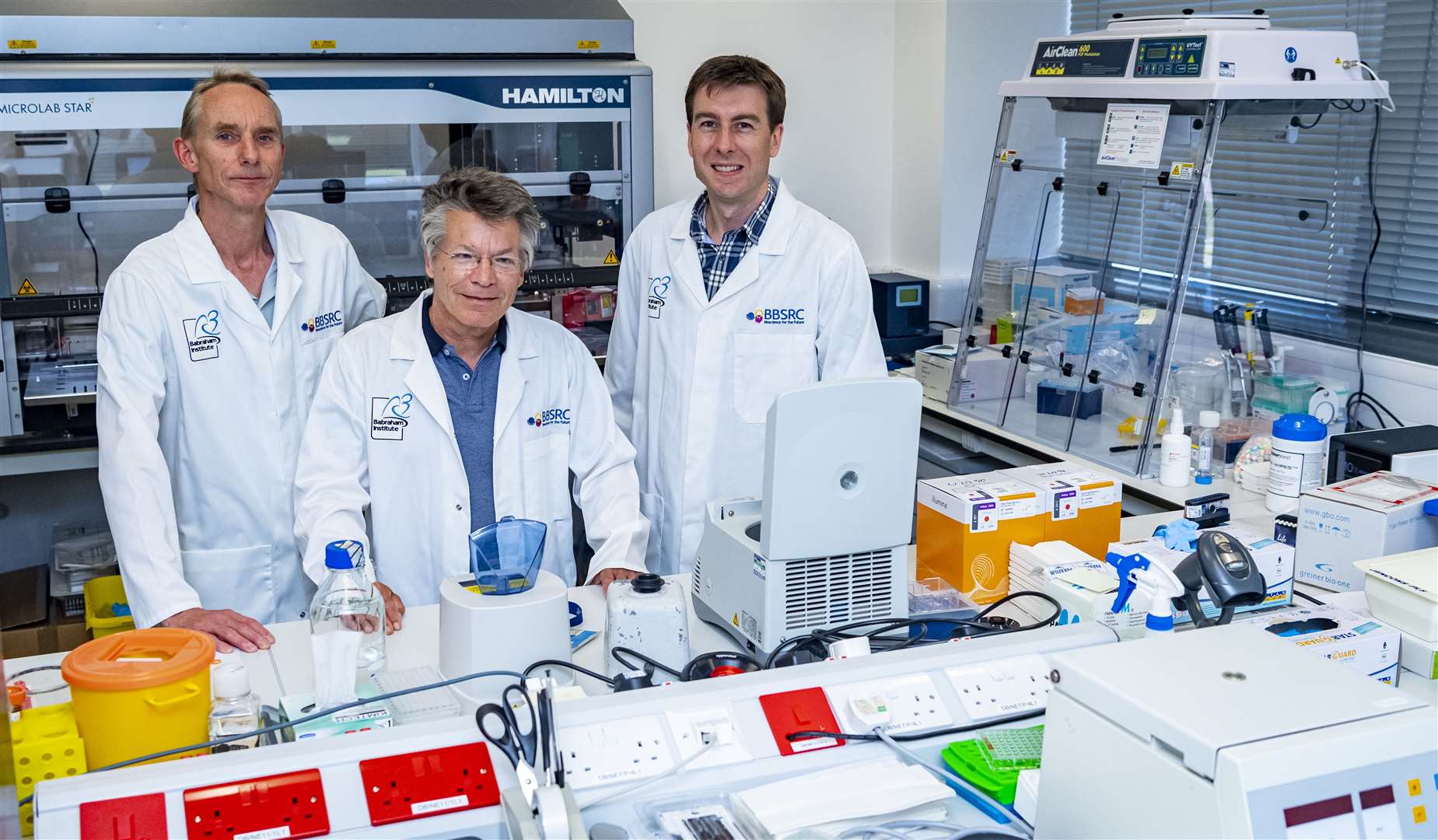
"Our research opens up the ability to better control stem cell specialisation & blastoid development." - Peter Rugg-Gunn
🧬 Preimplantation development involves the differentiation of the inner cell mass & trophectoderm (TE), the latter contributing to the fetal placenta. Transcription factors including POU5F1 (OCT4), SOX2, & CDX2 regulate early lineage specification, although their roles vary across developmental stages & species.
🔹 Following blastocyst formation, molecular communication between embryonic & maternal tissues facilitates attachment. Leukemia inhibitory factor (LIF) & its JAK–STAT signalling pathway are important regulators of implantation, particularly through maternal endometrial signalling.
🔹 Successful implantation requires a receptive endometrium during the implantation window. Oestrogen & progesterone regulate endometrial differentiation through their respective receptors. Genes including PGR, HOXA10, HOXA11, & LIF contribute to endometrial receptivity & decidualisation. Additional regulators, including IL11, ITGB3, & MUC1, participate in the molecular environment associated with embryo attachment. Progesterone-dependent signalling, cAMP, & transcription factor FOXO1 coordinate the transformation of endometrial stromal cells into specialised decidual cells.
🔹 Following implantation, trophoblast cells differentiate into specialised lineages, principally cytotrophoblasts, syncytiotrophoblasts, & extravillous trophoblasts (EVTs). GCM1 is a key transcriptional regulator of trophoblast differentiation, syncytiotrophoblast formation, & placental development. The fusogenic gene ERVW-1, encoding syncytin-1, facilitates trophoblast cell fusion. Meanwhile, EVT migration & invasion involve matrix metalloproteinases (MMP2 & MMP9), integrins, & extracellular matrix remodelling, supporting placental anchoring & maternal spiral artery remodelling.
➡️ DNA methylation, histone modifications, chromatin remodelling, & non-coding RNAs influence trophoblast differentiation & placental development. Genomic imprinting involving IGF2, H19, & CDKN1C contributes to fetal & placental growth regulation. Furthermore, VEGF, placental growth factor (PlGF), & hypoxia-inducible factors (HIFs) coordinate angiogenesis & placental vascular development. Dysregulation of these mechanisms may contribute to pre-eclampsia, fetal growth restriction, recurrent pregnancy loss, & placental insufficiency.
⚠️ In an Oystershell, advances in human trophoblast stem-cell systems & blastoid models offer promising experimental approaches to investigate early developmental mechanisms & pregnancy complications. However, further validation is necessary before interpreting these findings into clinical reproductive medicine.
Abubakar Abubakar ✍
• Hemberger CW, et al (2020). N.R Genetics, 21, 27-43.
• Ruane PT et al. (2022). Human Reproduction, 37(4), 777-792.
#Embryo #Genomics #CRISPR #NGS #PGT #IVF #ART ⚕